
Fever in Children
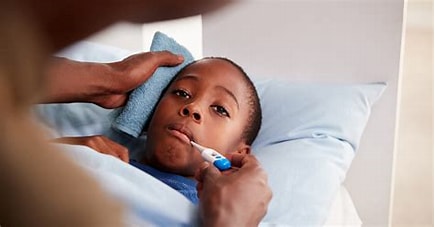
Fever in children is a common concern for parents and caregivers. A fever helps the body by stimulating the immune system to fight an infection. Here’s a comprehensive overview of what you need to know:
What is a Fever?
- Definition: A fever is generally defined as a body temperature above the normal range. In children, a fever is typically considered to be a temperature of 100.4°F (38°C) or higher.
- Measurement Methods:
- Oral: Through the mouth.
- Rectal: Through the rectum (considered the most accurate for infants).
- Axillary: Under the arm.
- Tympanic: In the ear.
- Temporal: Across the forehead.
Causes of Feverin children
- Infections: Bacterial, viral, or fungal infections.
- Immunizations: Fever can occur as a side effect of some vaccinations.
- Overheating: Excessive clothing or hot weather.
- Teething: Mild fever can be associated with teething, but typically not above 100°F (37.8°C).
- Over dressing: infants especially new born, may get fevers especially if they are overdressed, wrapped in blanket or in a hot environment because they don’t regulate their body temperature unlike older kids. However, if the fever is persistent, medical attention is necessary.
When to Worry
- Infants under 3 months: Any fever in this age group requires immediate medical attention.
- Persistent fever: Fever lasting more than 3 days.
- High fever: Above 104°F (40°C).
- Symptoms of serious illness: Such as difficulty breathing, persistent vomiting, lethargy, rash, or seizures.
What are the signs of a feverin children?
- Feel warm
- Act differently (unusually quiet, irritable)
- Have a headache
- Have chills or sweating
- Breathe a little faster or have a faster heart rate than normal
- Crying a lot
Managing Fever at Home
- Hydration: Ensure the child drinks plenty of fluids to prevent dehydration.
- Comfort: Dress the child in lightweight clothing and keep the room cool.
- Medication: Use Paracetamol or ibuprofen as directed by a healthcare provider. Avoid aspirin in children due to the risk of Reye’s syndrome.
- Rest: Encourage the child to rest and sleep as needed.
When to See a Doctor
- Infants under 3 months with any fever.
- Children 3 months to 3 years with a fever lasting more than 24 hours.
- Children over 3 years with a fever lasting more than 3 days.
- Any age with a high fever (above 104°F or 40°C).
- Accompanying symptoms: Rash, persistent crying, difficulty breathing, stiff neck, or seizures.
Prevention
- Hygiene: Encourage regular handwashing to prevent infections.
- Vaccinations: Keep vaccinations up to date to protect against certain illnesses.
- Avoid Overdressing: Dress children appropriately for the weather.
Tips for Accurate Temperature Measurement
- Digital Thermometer: Preferred for accuracy.
- Rectal Thermometer: Best for infants and young children.
- Consistency: Use the same method and same thermometer type for accuracy.
If you have specific concerns about your child’s fever or need detailed advice, click on the link https://hellodaktari.co.ke and book an online medical consultation with us.
Keep Reading
View all →
What to Expect from Home-based Nursing Care
From post-surgery recovery to elderly care, home-based nursing brings clinical support to where the patient already is.

When to Choose a Virtual Consultation Over an In-Person Visit
Not every health concern needs a clinic visit. Here's how to tell when a virtual consultation is the right call, and when it isn't.

Doula services in Kenya: A pillar for pregnant mothers.
Doula services in Kenya: A doula is a trained professional who provides emotional, physical, and informational support during major life experiences, most commonly pregnancy, childbirth, and postpartum. They don’t deliver babies or give medical care, but they help parents feel safe, empowered, and c